
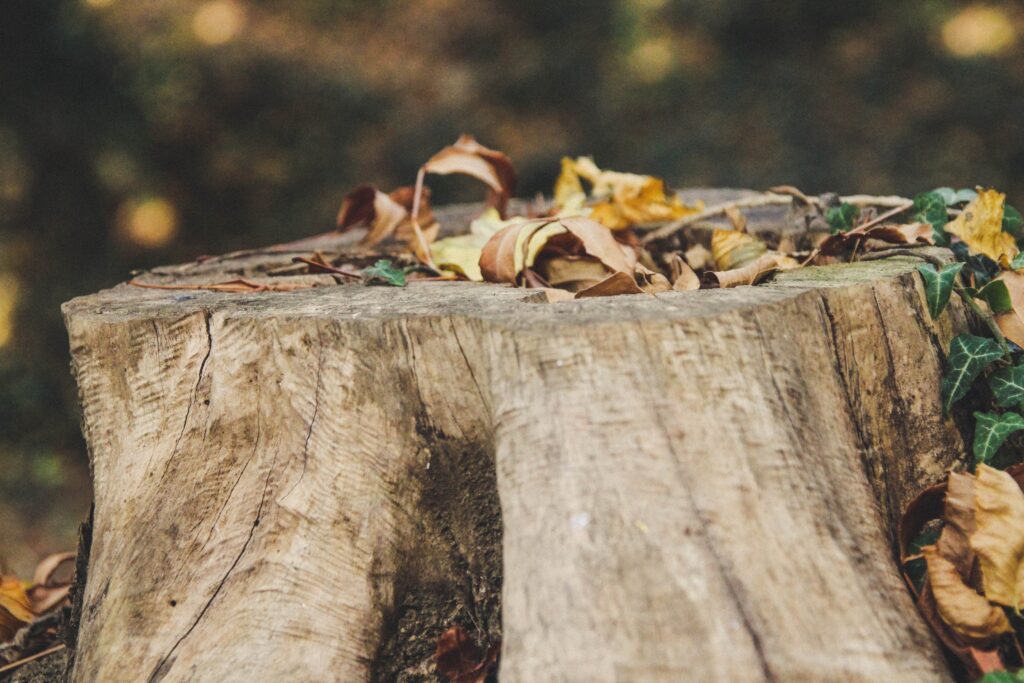
You finally removed the tree, but the stump still sits in the yard like it owns the place. A lot of Maryland homeowners try DIY tree stump removal because it sounds straightforward: dig, cut roots, pull it out, done. In reality, stumps fight back. They tangle into clay-heavy soil, spread roots wider than you expect, and often sit closer to utilities and hardscape than you feel comfortable testing.
This guide walks you through the DIY routes that actually make sense in Maryland, what usually wastes time, and the moments when professional stump grinding becomes the smarter move.
Start with the one step that keeps DIY safe: call 811
Before you dig, chop roots, or try to yank a stump out, you need to locate buried utilities. In Maryland, you call 811 (Miss Utility) to request line markings so you don’t hit electric, gas, water, sewer, or communications lines. People treat stump removal like “just yard work,” but once you put a mattock or saw into the ground, you’re doing excavation. A quick locate request protects you, your property, and your neighbors.
Why DIY stump removal feels harder in Maryland
Maryland yards vary, but many properties share a few common challenges: compacted soil from construction, sticky clay that holds roots tightly, and moisture swings that make the ground either rock-hard or messy. When you combine that with common local tree types that form wide, dense root systems, you can spend hours digging and still feel like you barely made progress. In some cases, the stump also tries to re-sprout, which turns “leave it and it’ll die” into a repeat maintenance problem.
DIY method #1: dig-and-cut (best for small stumps)
If the stump is small and you have clear space to work, digging it out can work. You remove the soil around the stump, expose the main roots, and cut them cleanly. This method succeeds when the stump measures roughly the size you can realistically move once you free it. That usually means a smaller stump that doesn’t sit near a fence line, sidewalk, or foundation where you can’t dig comfortably.
Expect this approach to feel like a workout. You’ll spend most of your time uncovering roots you didn’t know existed, then repositioning to cut them without damaging surrounding landscaping. If you can rock the stump after cutting several roots, you’re making progress. If it doesn’t move at all after a long stretch of digging, you’re probably dealing with a bigger root plate than the stump size suggests.
DIY method #2: accelerate decay (slow, but low-risk)
If you don’t need the stump gone immediately, you can let it break down faster over time. You drill holes into the stump to expose more surface area, keep it damp, and encourage decay. Homeowners like this option because it avoids heavy lifting and doesn’t require rental equipment.
The tradeoff is patience. Even with help, decay still takes time. If your goal is to regrade, install sod, build a patio, or plant something new soon, this method usually won’t match your timeline.
DIY method #3: rent a stump grinder (fast, but easy to underestimate)
Renting a grinder sounds like the “best of both worlds” option. It’s fast, it’s direct, and it skips the endless digging. The problem is that stump grinders demand caution. They throw debris, they can lurch when they hit hidden rocks, and they create a surprising amount of wood chips and grindings that you need to handle afterward.
This route works best when you have wide access to the stump, firm and level ground, and enough clearance from structures, fencing, and delicate landscaping. You still need that 811 locate first, because grinding near marked utility paths or unknown underground lines isn’t a risk you want to take.
What to Skip: Common Tree Stump DIY Mistakes That Waste Time
Some “quick fixes” sound appealing but rarely deliver the results homeowners expect. Burning stumps creates obvious safety and legal concerns and can smolder unpredictably, especially near roots. “Cut it low and cover it” often turns into sinking soil or sprouting later, depending on the species and the conditions. Pulling with a vehicle or chain can cause injuries, property damage, or uncontrolled movement if the stump releases suddenly.
If you want the stump gone, you’ll almost always get there through digging/cutting for small stumps, controlled decay for long timelines, or grinding for a cleaner removal.
When you should stop DIY and call a professional
DIY tree stump removal stops being a smart weekend project when the stump sits near utilities, a foundation, a retaining wall, or hardscaping you can’t afford to damage. The same goes for larger stumps or multiple stumps. At that point, you’re not just “saving money.” You’re trading your time, your safety, and the risk of expensive repair work for a project that may still not end cleanly.
Professional stump grinding also makes sense when you want the area back quickly. If you plan to re-seed, lay sod, level the yard, or prep the space for landscaping, a clean grind below grade saves days of digging and cleanup.
Want the Stump Gone Without the Risk?
If you decide DIY tree stump removal isn’t worth the time or hazards. Nelson Tree Specialist serves the MD, VA, & DC Metro Area and offers stump grinding/removal as part of our tree services. Call 301-854-2218 or request a free quote through their site.