
Maryland is full of trees, and people pass every day without giving them much thought. They shade older neighborhoods, line country roads, grow along streams, and stand through years of heat, rain, wind, and seasonal change.
But many trees reveal more than most people realize. These facts about trees can help you notice the roots, leaves, bark, rings, and small clues hiding in Maryland’s landscape.
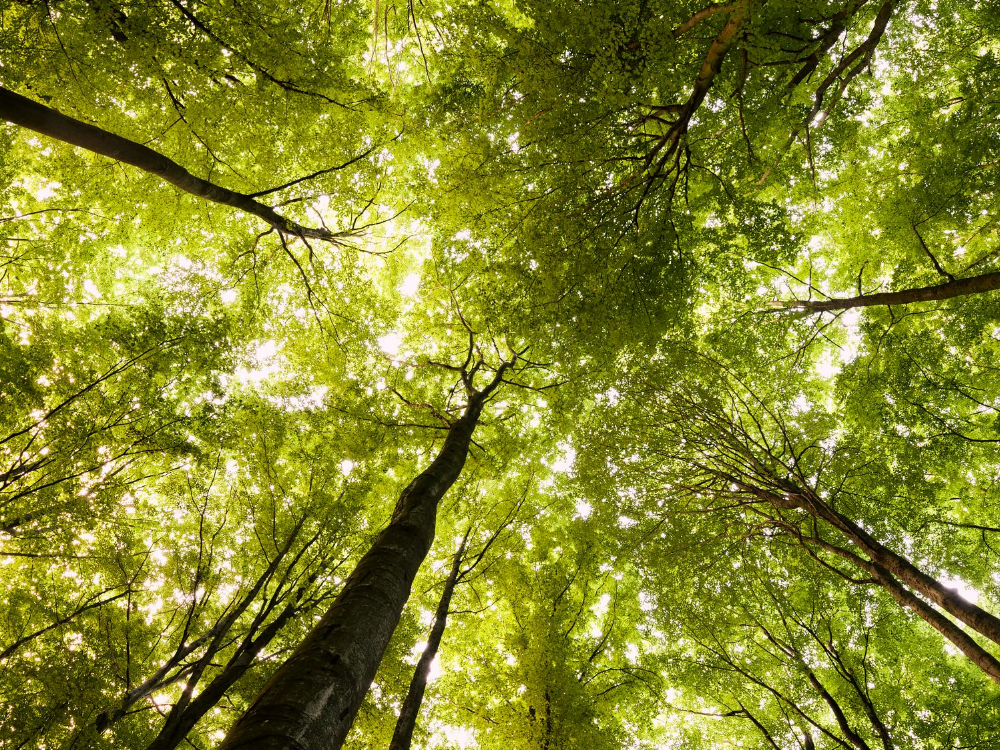
Maryland’s State Tree Is Built to Last
The white oak is Maryland’s official state tree, and it fits the state well. It is strong, long-lived, and commonly found throughout Maryland. Mature white oaks can grow into large shade trees with broad canopies and sturdy branches.
White oaks also carry a lot of history. One of Maryland’s most famous trees, the Wye Oak, stood in Talbot County for generations and became a symbol of strength and longevity. White oaks also produce acorns that feed wildlife, which makes them an important part of Maryland’s natural landscape.
Some Maryland Trees Grow Bigger Than People Expect
A young tree can look small and manageable, but some Maryland native trees can grow much larger over time. Tulip poplar is a good example. It is one of the tallest native trees in the region and can grow into a large, straight, fast-growing shade tree.
That size is part of what makes trees so valuable. They can cool outdoor spaces, frame a property, and add character over time. It also shows why planting space matters. A tree that looks small today may need much more room as it matures.
Fall Color Depends on More Than the Calendar
Many people wait for October and expect Maryland trees to change color on schedule. Trees do not work that way. Fall color depends on weather, moisture, temperature, and how much stress a tree experienced during the growing season.
Dry weather can cause some trees to turn color early, drop leaves sooner, or look dull instead of vibrant. That is why one fall may bring strong reds, golds, and oranges, while another may look patchy or short-lived. The calendar matters, but the weather leading up to fall matters too.
Tree Rings Tell a Story About Good Years and Hard Years
Tree rings do more than show age. Wider rings often point to stronger growing years, while narrower rings can show years when the tree faced drought, poor conditions, or other stress.
You do not need to cut down a tree to appreciate that idea. Trees respond to what happens around them. A dry summer, compacted soil, storm damage, or years of stress can affect how a tree grows. The signs may not always look dramatic, but trees often carry a record of what they have lived through.
Mushrooms on or Near a Tree Can Be a Clue
Mushrooms in the lawn are not always a problem. But mushrooms growing directly on a trunk, near the base of a tree, or on large branches deserve a closer look. Sometimes, they can point to decay inside the wood or near the root area.
That does not mean every mushroom-covered tree is about to fall. It does mean the tree may be dealing with something hidden from view. For homeowners, this is one of the more useful facts about trees because it turns something easy to ignore into something worth noticing.
Roots Usually Spread Wider Than People Think
Many people picture tree roots growing straight down like a mirror image of the branches. In reality, many roots grow outward and stay closer to the surface, where they can reach air, moisture, and nutrients.
That is why roots may show up near sidewalks, lawns, driveways, patios, or garden beds. It also explains why heavy foot traffic, construction, and compacted soil can affect a tree even when the trunk looks untouched. A tree’s underground space matters just as much as what you see above ground.
Some Tree Clues Are Easy to Walk Past
One of the most interesting tree facts is that trees can change slowly. A tree may show thinning leaves, dead branch tips, cracked limbs, mushrooms, early leaf drop, or bark changes long before a larger issue becomes obvious.
That is especially important in Maryland, where trees deal with heavy rain, summer heat, winter weather, and strong storms. Not every unusual sign means a tree is unsafe, but some changes are worth a closer look.
If you notice dead limbs, mushrooms near the trunk, storm damage, thinning leaves, or other concerns on your Maryland property, Nelson Tree Specialist can inspect the tree and help you understand the safest next step.