
Planting a new tree is a long-term decision. The right tree can add shade, curb appeal, and value to your property, but timing plays a major role in how well it establishes.
For Maryland homeowners, the best time to plant a tree depends on the season, soil conditions, drainage, and location. A tree planted at the right time and in the right place has a better chance of growing strong without creating future problems near your home, driveway, sidewalk, or utility lines.
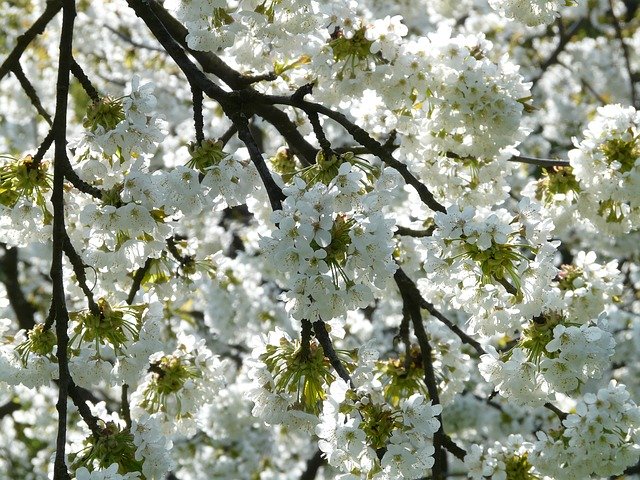
When Is the Best Time to Plant a Tree in Maryland?
In Maryland, early spring and fall are usually strong planting windows. Cooler weather gives new trees a better chance to establish roots before summer heat or winter cold.
Fall often gives trees more time to settle in before the stress of hot weather. Early spring can also work well when the soil is workable, the ground is not frozen, and the tree receives steady moisture after planting.
Avoid planting during extreme heat, drought, frozen soil, or very wet conditions. If the planting area holds water or feels compacted, the tree may struggle before it has a chance to establish.
Why Timing Matters for New Trees
A newly planted tree needs time to adjust. Its roots must begin growing into the surrounding soil before the tree can handle dry spells, summer heat, or harsh weather.
Late spring planting can be harder in Maryland because warm weather can turn hot quickly. If the tree has not had time to establish, it may show stress through wilting leaves, early leaf drop, or slow growth.
Good timing does not guarantee success, but it gives the tree a stronger start.
What Maryland Homeowners Should Consider Before Planting
Before planting, look beyond the open space in your yard. A young tree may seem small now, but it can grow close to the house, roofline, driveway, sidewalk, fence, or overhead wires as it matures.
Consider the tree’s mature size, canopy spread, sunlight needs, drainage, and root space. Many Maryland yards have clay soil, compacted areas, or spots that stay wet after rain. These conditions can affect how well a new tree grows.
If mature trees are nearby, spacing also matters. A new tree planted too close to established trees may compete for light, water, and growing space.
Why Planting Depth Affects Long-Term Tree Health
Planting depth is one of the biggest reasons new trees struggle. A tree should not sit too low in the ground, and soil should not cover the base of the trunk.
The root flare, where the trunk begins to widen near the base, should stay visible. When soil or mulch covers this area, moisture can collect against the bark and affect long-term tree health.
The planting hole should be wide enough for roots to spread, but not deeper than the root ball. If the hole is too deep, the tree can settle after watering and end up buried too low.
Talk with Nelson Tree Specialist Before You Plant
The best time to plant a tree in Maryland is usually early spring or fall, but timing is only part of the decision. The right location, proper planting depth, drainage, and follow-up care all affect how well a new tree grows.
Before planting near your home, driveway, mature trees, utility areas, or a problem spot in your yard, contact Nelson Tree Specialist. Our team can help you make informed tree care decisions that protect your property and support long-term tree health.