
Spring is the right time to check your trees after winter and prepare them for the growing season ahead. As temperatures warm up, trees begin producing new buds and leaves, but they may also reveal damage caused by wind, ice, heavy rain, or cold weather.
For Maryland homeowners, spring tree care should focus on tree health, safety, and property protection. Weak limbs, dead branches, root stress, and early signs of disease can become bigger problems once spring storms arrive. A simple inspection now can help protect your home, yard, and surrounding property.

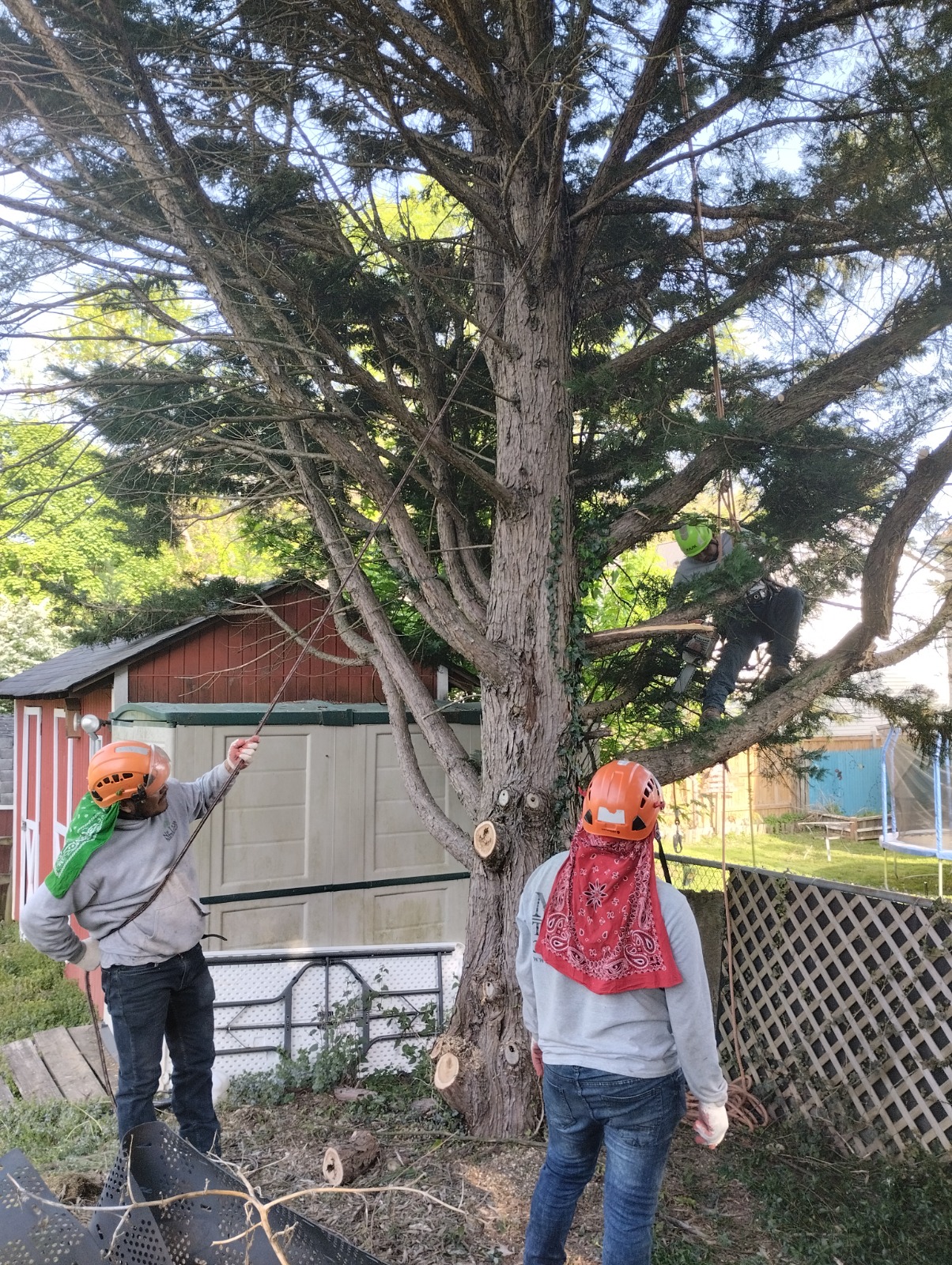
Why Spring Tree Care Matters After Winter
Winter can leave trees with broken limbs, cracked branches, bark damage, and hidden structural issues. Some problems are easy to see, while others only become noticeable once the tree starts growing again.
During spring, look for thin leaf growth, bare sections, hanging limbs, or branches that did not produce buds. These signs may point to winter damage, disease, or declining tree health. Spring tree care helps homeowners catch these issues before heavy rain, wind, and summer storms put more stress on the tree.
Inspect Your Trees for Damage and Safety Risks
Walk around your trees from the ground and look closely at the trunk, canopy, and base. Do not climb the tree or try to remove large branches yourself.
Watch for:
- Broken, hanging, or cracked branches
- Dead limbs with no new growth
- Cracks or cavities in the trunk
- Peeling bark or open wounds
- Fungal growth near the base
- Soil lifting or sinking around the roots
- Branches touching the roof, siding, driveway, or power lines
Branches near homes, roofs, and utility lines need special attention. Never trim branches near power lines yourself. A trained tree care crew has the equipment and experience to handle those risks safely.
Prune Dead, Broken, or Unsafe Branches
Proper pruning helps remove hazardous limbs and supports healthy tree structure. In spring, the main priority should be dead, broken, hanging, or unsafe branches.
Not every tree needs heavy pruning during spring. Some trees are better pruned during dormancy, and some flowering trees should be pruned after they bloom. The right timing depends on the tree species, its condition, and the reason for pruning.
Avoid tree topping. Topping removes too much of the canopy, weakens the tree, and can lead to unsafe regrowth. Professional pruning protects the tree’s natural shape while reducing risk around your property.
Protect Roots and Soil Around Your Trees
Healthy roots support healthy trees. After spring rain, check the soil around your trees for standing water, erosion, exposed roots, or unusual leaning.
Mulch can help protect roots and hold moisture, but it must be applied correctly. Keep mulch in a wide, shallow ring around the tree, about 1 to 3 inches deep, and leave space around the trunk. Do not pile mulch against the bark.
Avoid adding thick soil over exposed roots. Tree roots need oxygen, and burying them too deeply can create more stress. If roots are exposed, damaged, or affecting nearby walkways, have a certified arborist inspect the tree before making changes.
When to Call a Certified Arborist in Maryland
Call a certified arborist if you notice large dead limbs, storm damage, trunk cracks, fungal growth, sudden leaning, sparse leaves, or branches growing too close to your home.
A professional can inspect the tree, explain what is happening, and recommend the safest next step. Some trees may only need pruning or tree health care. Others may need removal if they pose a risk to people or property.
Schedule Spring Tree Care with Nelson Tree Specialist
Spring tree care helps protect your trees before small issues become serious hazards. If you see dead branches, storm damage, root concerns, or trees growing too close to your home, Nelson Tree Specialist can help.
Our team provides tree inspections, pruning, trimming, tree health care, and tree removal when needed. Contact us today to schedule professional spring tree care for your Maryland property.