
A dead tree may look harmless while it is still standing, but it can become a safety risk over time. Once a tree dies, its wood weakens, its branches break more easily, and storms can make the tree unpredictable. For Maryland homeowners, dead tree removal helps protect homes, driveways, fences, vehicles, and nearby landscaping before damage happens.
In most cases, a dead tree should be removed once a professional confirms it is no longer healthy or safe to keep.
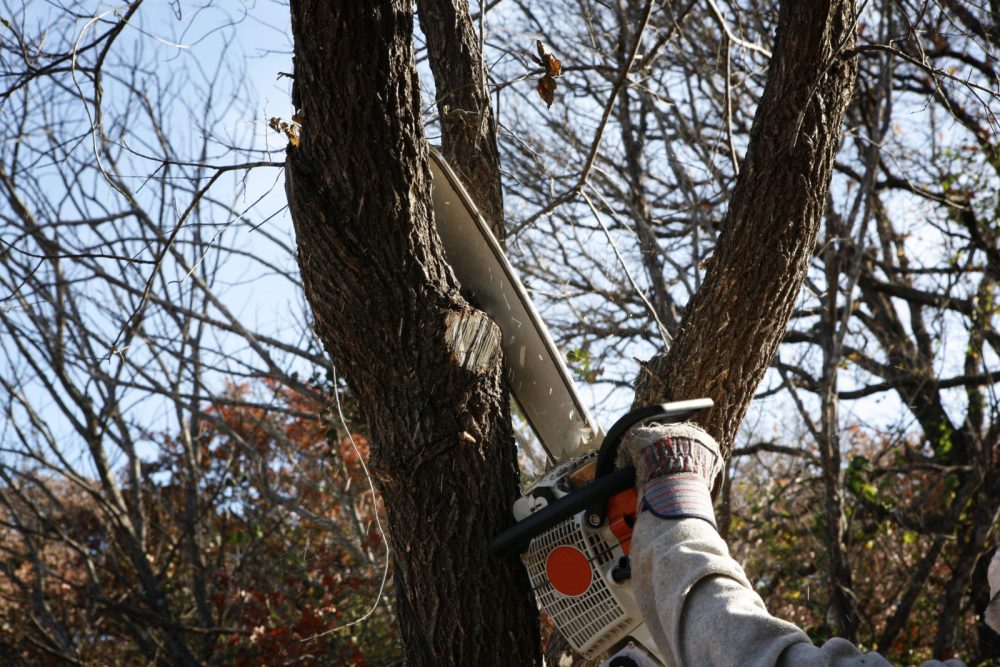
How to Tell If a Tree Is Dead
Some dead trees are easy to spot. Others decline slowly, especially if part of the tree still has limited leaf growth. Look for several signs before assuming the tree is safe.
Common warning signs include:
- No leaves during the growing season
- Brittle branches that snap easily
- Large dead limbs in the crown
- Peeling, missing, or loose bark
- Cracks, cavities, or hollow areas in the trunk
- Fungus or mushrooms near the base
- No green layer under the bark when a small twig is gently scratched
One sign does not always mean the entire tree is dead. Storm damage, drought, disease, and age can affect parts of a tree while other sections remain alive. However, several warning signs together usually mean the tree needs a professional inspection.
Why Dead Trees Can Become Dangerous
Dead trees lose strength as the wood dries out and decays. Large limbs may fall without warning, especially during wind, rain, or heavy storms. A dead branch over a roof, driveway, deck, sidewalk, or play area can create a serious safety concern.
Dead trees can also attract carpenter ants, beetles, termites, and other pests that use decaying wood for food, nesting, or shelter. Maryland weather can increase the risk when saturated soil, high winds, or storm damage affect an already unstable tree.
When Dead Tree Removal Should Not Wait
Some dead trees create more immediate risk than others. A dead tree far from structures may not be an emergency, but it still needs attention before decay makes removal more difficult.
Dead tree removal should not wait if:
- The tree leans toward a house, garage, driveway, fence, or neighboring property
- Large dead limbs hang over areas where people walk, park, or gather
- The trunk has deep cracks, cavities, or visible rot
- The tree shifted or worsened after a storm
- Roots look lifted, damaged, or unstable
- The tree stands near utility areas, structures, or valuable trees
Waiting too long can make removal harder and more dangerous. As the trunk and limbs weaken, crews may need more careful rigging, special equipment, or a more complex removal plan to protect the property.
Why Professional Removal Is Safer
Removing a dead tree is not a simple DIY project. Dead wood can break in unexpected places, and the tree may not fall where expected. The risk increases with large trees, nearby structures, and heavy limbs overhead.
Professional tree removal crews can assess the tree, plan the safest removal method, and control falling limbs or trunk sections. They also have the equipment needed to work around homes, fences, driveways, sheds, and landscaping.
After removal, stump grinding can also help remove a tripping hazard, improve the look of the yard, and make the area easier to maintain.
Protect Your Property with Safe Dead Tree Removal
A dead tree will not recover on its own. The longer it stays in place, the more it can weaken and create safety concerns for your home, yard, and family. Removing it early helps prevent falling limbs, pest issues, storm damage, and more expensive problems later.
Nelson Tree Specialist provides safe, professional dead tree removal for Maryland homeowners. If you have a dead, dying, or hazardous tree on your property, contact us today to schedule an inspection and get a clear recommendation from an ISA-certified arborist.