

As a Maryland homeowner, you know local weather can shift fast. From severe summer thunderstorms to heavy winter ice, your landscape takes a beating. Routine pruning helps keep trees healthy and properties looking sharp, but extreme weather can quickly turn a stable tree into a serious safety risk. The key is knowing the warning signs that you need emergency tree removal so you can protect your home and everyone on your property.

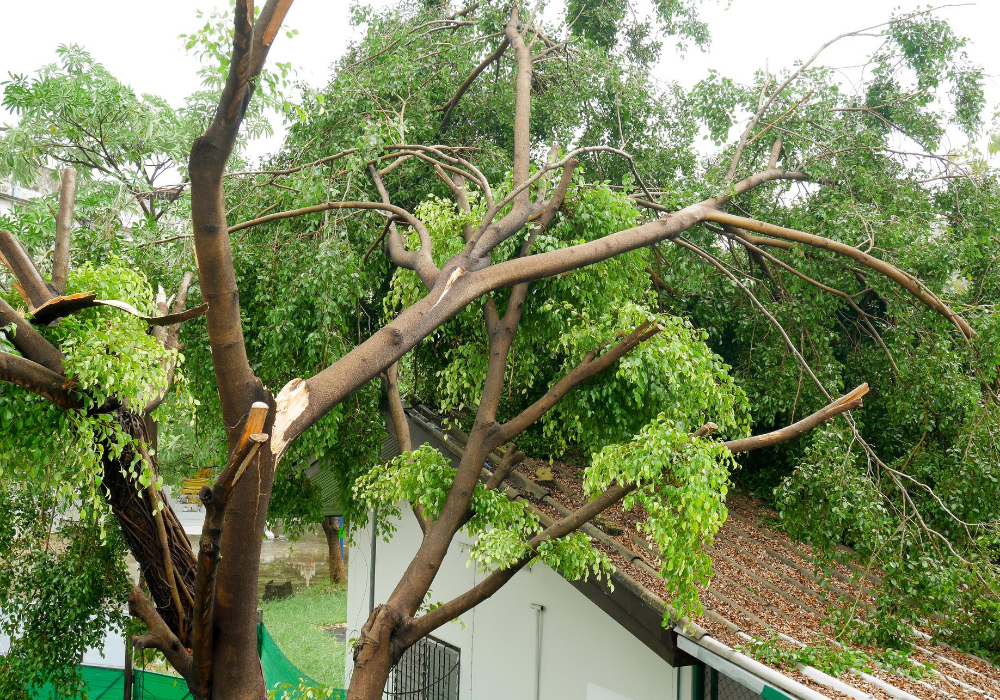
What Is Emergency Tree Removal?
Emergency tree removal is a rapid-response service used to dismantle and remove unstable, severely damaged, or failing trees that pose an imminent threat to people or property. Crews typically use specialized equipment like cranes, rigging, and controlled lowering techniques to remove dangerous wood safely without causing additional damage.
When to Call for Emergency Tree Removal
Property owners often struggle to tell the difference between a frustrating landscape issue and a real danger. Standard trimming and stump grinding can usually be planned. It becomes urgent when a tree has structurally failed or shows clear signs that it could impact your roof, driveway, vehicles, or personal safety.
If you notice any of the situations below, treat it as time-sensitive and keep people away from the area.
What to Do First (Before a Crew Arrives)
- Keep everyone away from the tree and any hanging limbs.
- Avoid chainsaws, ladders, and cleanup during active wind or rain.
- If power lines are involved, assume they are live and keep a wide safety perimeter.
- Take a few photos from a safe distance for insurance, then call a certified arborist.
Sign 1: Severe Storm Damage or Lightning Strikes
Maryland storms can bring high winds and lightning that compromise a tree’s structure in minutes. Even if the trunk stays upright, storms can leave large branches fractured and hanging over your yard.
A tree that’s split by lightning often needs urgent professional evaluation by a Maryland tree specialist, and in many cases, removal. Lightning can superheat moisture inside the trunk and damage the tree from the inside out. High winds can also create heavy “hangers” that drop without warning. If a storm leaves a severely fractured tree close to your home, secure the area and contact a qualified emergency tree crew.
Sign 2: Sudden, Severe Leaning or Root Failure
Trees can lean gradually over time as they reach for sunlight. A sudden lean is different. If the lean appears overnight or gets worse after storms, treat it as urgent. When Maryland soils become saturated after heavy rain, root systems can lose their grip and begin to fail.
After a downpour, check the ground around the base of the trunk. If you see soil heaving, cracking, or roots lifting out of the ground, the tree is actively destabilizing. In that condition, the risk of a full failure rises quickly, especially with the next gust of wind. This is the type of situation that often requires emergency tree removal to prevent damage.
Sign 3: Interference With Power Lines
A damaged tree resting on or near utility lines creates an immediate and extremely dangerous situation. Wet branches can conduct electricity and increase the risk of fire or electrocution.
Never attempt to trim branches near power lines. Keep your family and pets far away from the area. In many cases, this requires coordination with the local utility provider before a tree crew can safely remove the hazard.
Who to Call for Emergency Tree Removal
If you’re facing any of the situations above, don’t try to handle the hazard yourself. The safest next step is to call a certified arborist or experienced emergency tree service that can assess the risk and remove the threat using proper safety protocols.
Contact Nelson Tree Specialist to request help. Fill out our form or give us a call at 301?854?2218 today to get started. Our certified arborists respond quickly across Maryland, Virginia, and the Washington, D.C., metro area to assess hazardous trees, secure the area, and safely remove the danger.