

Where you put your firewood matters long before you carry the first logs inside. A pile beside the house may be convenient, but damp soil or runoff from the roof can leave the bottom logs wet even when the top is covered.
For Maryland homeowners using a fireplace or wood stove, that location also needs to work through rain, snow, and repeated trips outside. A spot that is easy to reach on delivery day may become muddy or difficult to access later. Thinking about how you will collect wood throughout the season helps you choose a place you can continue using comfortably.

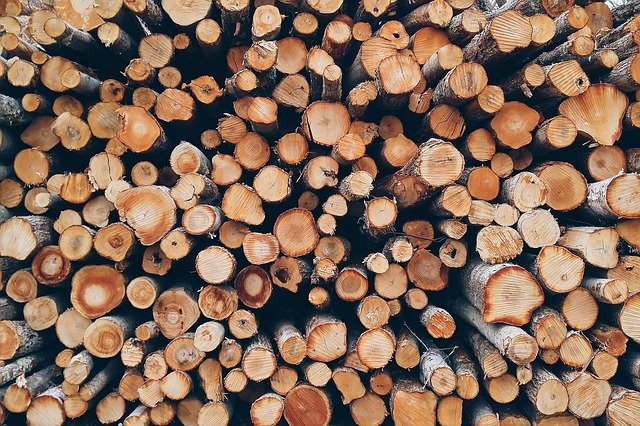
Choose a Spot That Drains Well
Before unloading your firewood, look at where water collects in your yard. Avoid low spots, downspout outlets, and dripping roof edges. Choose firm, level ground with good airflow, and keep your main supply away from the house rather than leaning logs against the siding.
Plan for access and capacity, too. Estimating how much firewood you need for winter helps you allow enough room before a delivery arrives. Leave a clear route that you can maintain during muddy or snowy weather.
Raise the Wood and Build a Stable Stack
Use a sturdy rack or raised supports designed to carry the load. Keeping the bottom row off the soil reduces exposure to ground moisture and pests. Check that the base and end supports are secure before adding wood.
Arrange logs in orderly rows so they rest securely, leaving gaps for airflow. Stay within the rack’s capacity and keep the stack at a height you can comfortably reach. Collect logs from the top; pulling pieces from the middle or bottom can destabilize the pile.
Cover the Top and Leave the Sides Open
Protect the top with a secured cover, or use a roofed storage area with good ventilation. Leave the sides open so air can circulate. Wrapping the entire pile down to the ground makes it harder for moisture to escape.
Arrange the cover so rain runs off instead of pooling. A storage roof should slope and extend beyond the stack to help shield it from rain and snow. Freshly cut wood still needs time to dry; covering it does not make it immediately ready to burn.
Keep the Supply Organized as You Use It
Keep dry, ready-to-use wood accessible, and place newer wood in a separate section. Delivery dates can help you track each load, although age alone does not confirm that wood is dry enough to burn.
After rain or wind, check for:
- Loose covers or pooled water: Secure and adjust the cover so it sheds rain.
- Leaning logs or shifting supports: Stop using the affected section until it can be safely restacked. Do not adjust supports beneath a loaded rack.
- Leaves around the base: Clear buildup that blocks airflow beneath the wood.
- Obstructed access: Keep your collection route clear as the pile changes.
Bring indoors only what you expect to burn within a day or two. Warm indoor conditions can encourage beetles to emerge from stored logs, so keeping the main supply outdoors helps reduce that nuisance.